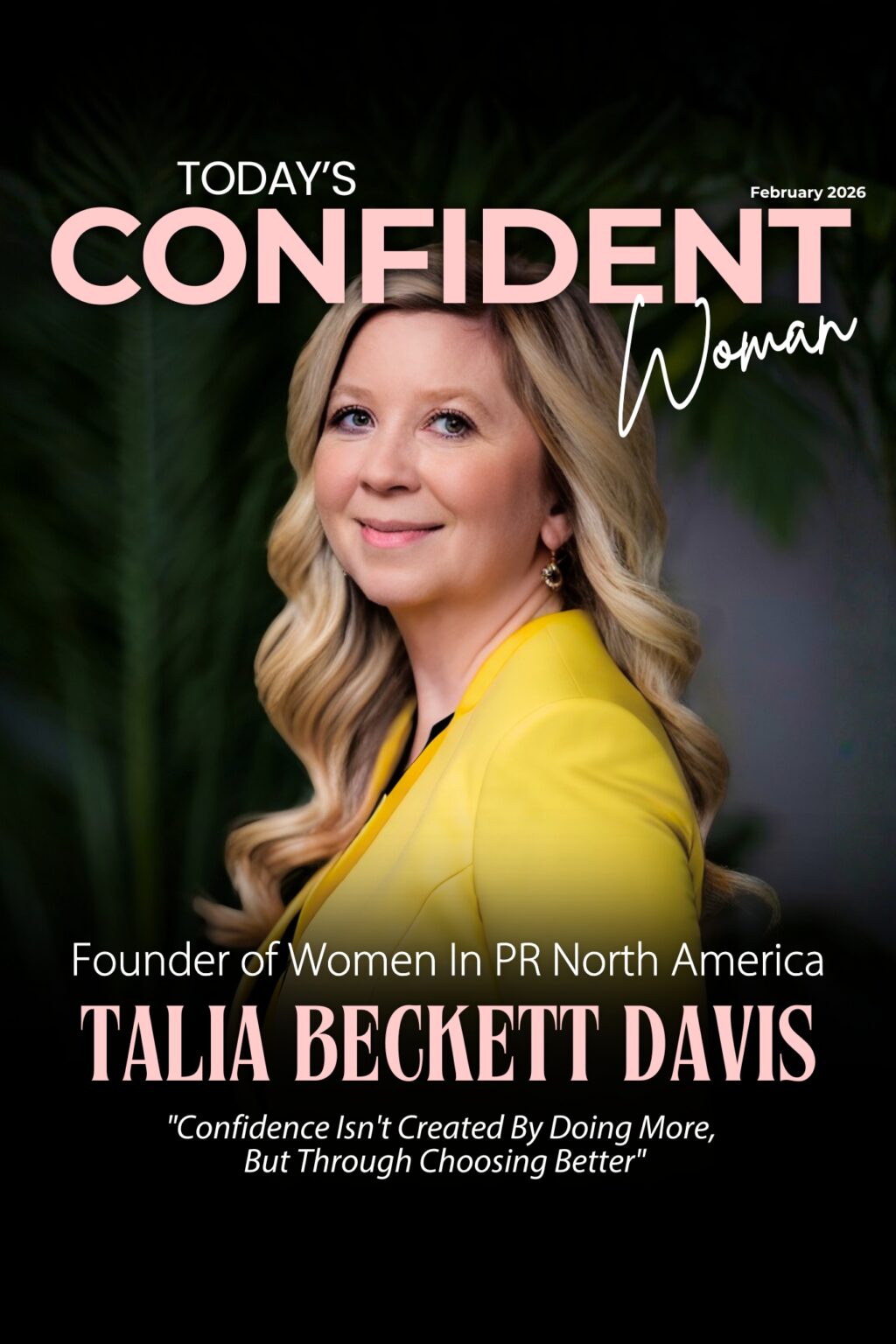

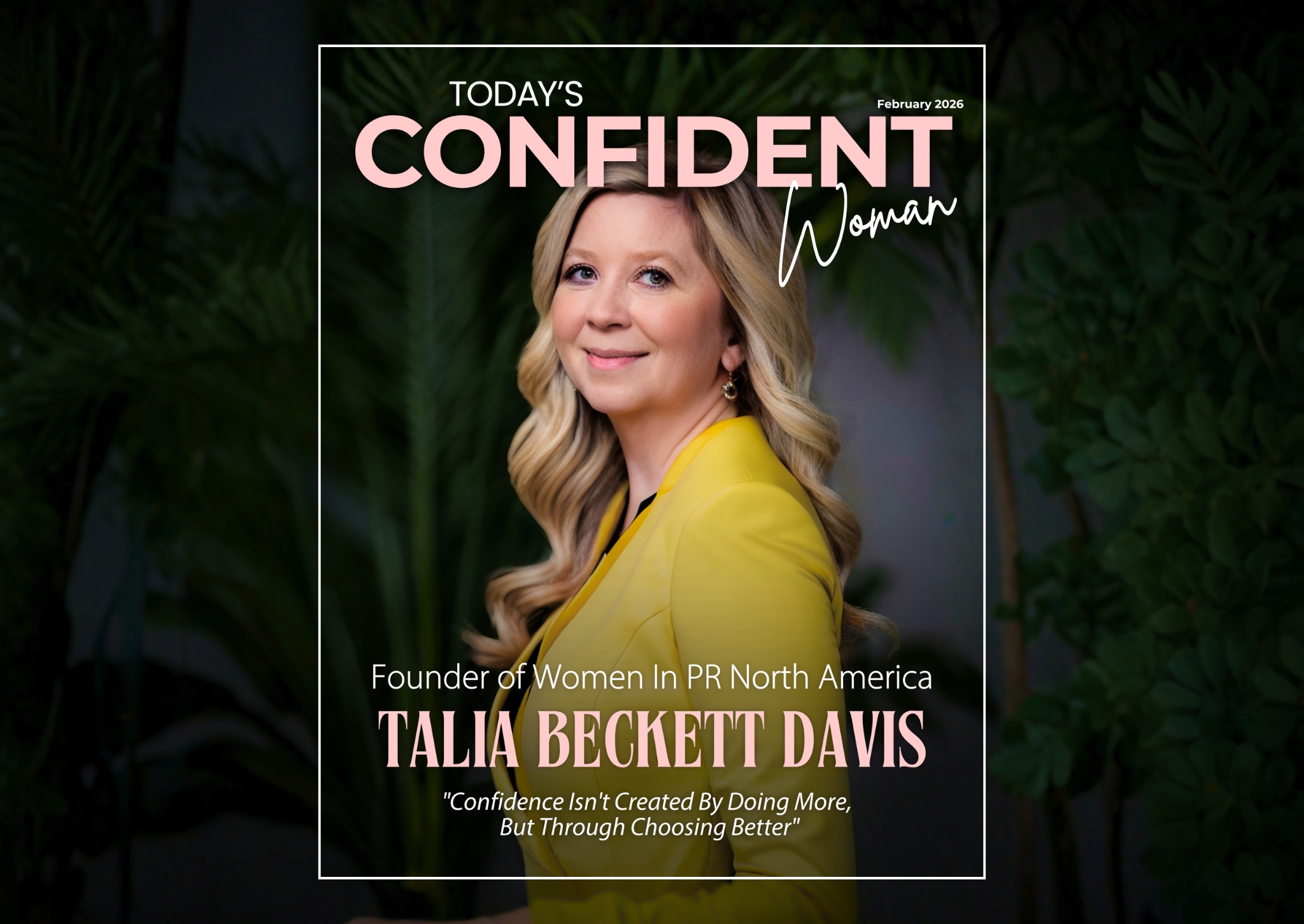
ABOUT TALIA BECKETT DAVIS:
Talia Beckett Davis is a strategic communications leader, author, and community builder who has spent her career helping organizations and women lead with intention. She is the Founder of Women in PR North America, creator of the Public Relations Academy, and author of Fempreneur. Alongside her entrepreneurial work, Talia serves as Vice President of Communications and Sustainability at RE Royalties (TSX.V: RE), supporting companies in the renewable energy sector as they grow with purpose and impact.
At the heart of Talia’s work is a belief that visibility should be meaningful, not performative. Her career spans North America and Europe, where she has helped brands strengthen trust, sharpen their positioning, and tell stories that align with their values. Known for her thoughtful, long-term approach, Talia focuses on building credibility and influence in ways that are sustainable for both organizations and the people behind them.
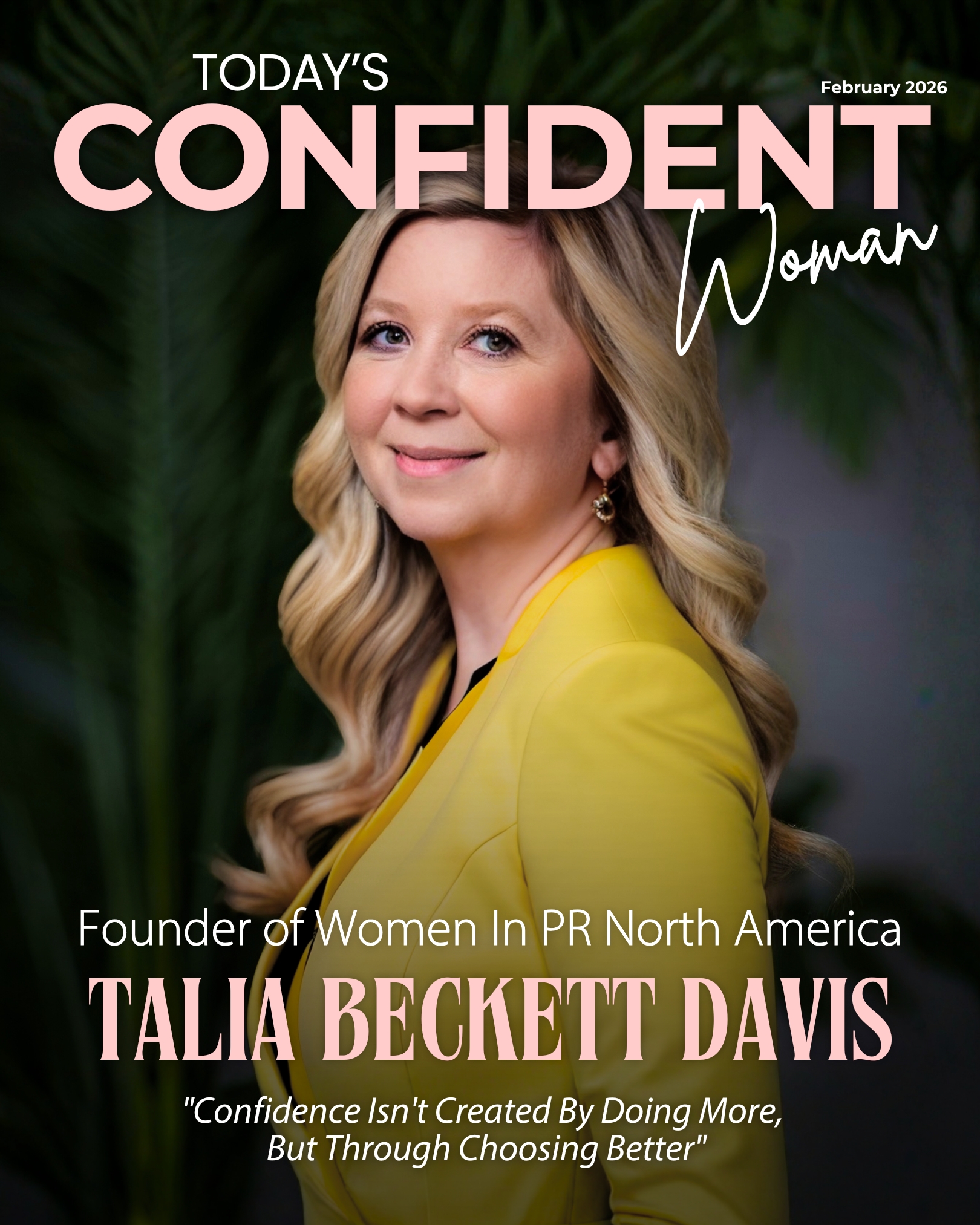
Widely recognized as a PR influencer, Talia has grown Women in PR North America from a small networking initiative into an influential professional community. Today, it connects women across public relations, investor relations, media, and business through events, education programmes, conferences, and research. Her work centres on closing the gender pay gap, increasing access to leadership opportunities, and helping women build confident, sustainable careers.
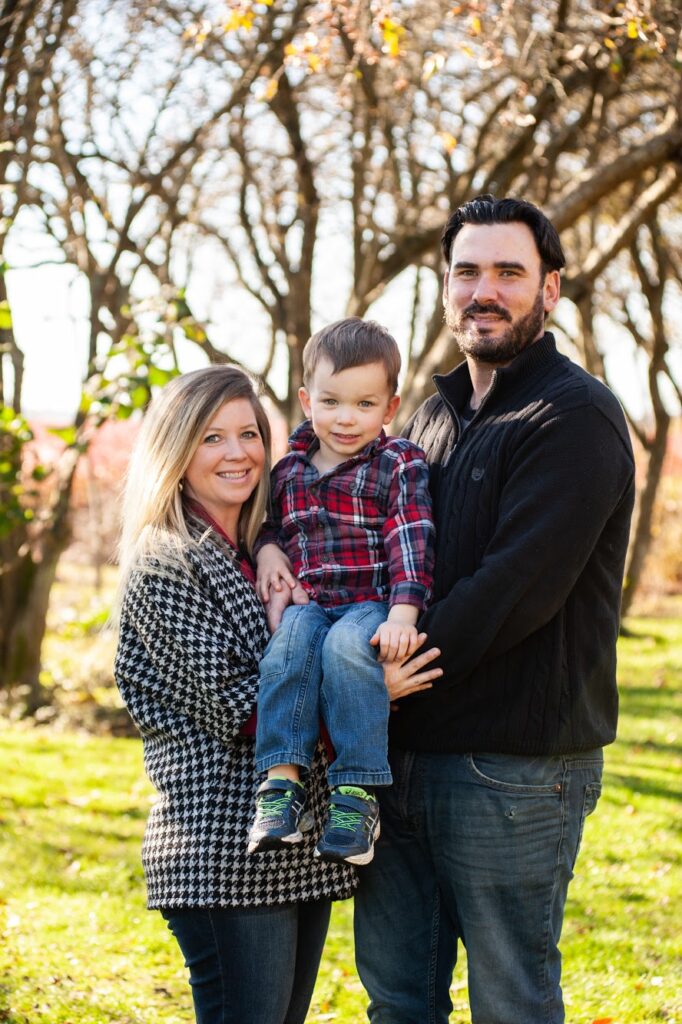
Through her work and advocacy, Talia continues to redefine what modern leadership looks like—through the Women in PR North America WorkWell Conference in Toronto, she brings women together to explore the intersection of health, wealth, and wellbeing at work, reinforcing her belief that true success is built to last, not to burn out.
Q&A WITH TALIA BECKETT DAVIS:
My most valuable possession is the piece of land my husband and I own just outside of Pemberton, near Whistler, British Columbia. It’s an acre, and to me it represents freedom and the life we’re intentionally building together.
We bought it during a camping trip, one week before our wedding. We were sitting around a campfire talking about what we wanted our life to look like in ten or twenty years, and the next day when we were exploring, we came across the for-sale sign on the property. We made the bold decision to cut our wedding budget, use the last of our savings, and invest that money into land instead. Standing there now, ten years later, surrounded by mountains in every direction, it feels like the most aligned decision we’ve ever made.
What makes it truly valuable is the way we feel settled the moment we arrive. It’s where our family feels most connected and where time slows down. In a world where my work is very public-facing, and fast-paced, that land represents stillness.
I’m naturally a visionary and I see opportunities everywhere. It’s one of my best traits, but it can also lead to scattered energy and impulsive choices. Over time, I’ve learned to implement a 24-hour rule for major decisions. If something excites me today, I sit with it before committing. This practice alone has saved me from burnout, financial stress, and misaligned partnerships. It’s taught me that not every good idea deserves a yes, only the ones that fit the bigger vision.
For a long time, I believed that stress was a sign of success. I thought being constantly overwhelmed or busy meant I was doing something important. However, experience has taught me that fulfillment comes from enjoying the process, not just chasing outcomes. Now, I intentionally design my work to include creativity, connection, and community. I try to notice small wins. I celebrate conversations, collaborations, and moments of impact. When you stop treating work like something you must survive and start treating it like something you get to shape, everything changes.
This lesson has probably had the biggest impact on my life. Early in my career, I said yes to everything! I was afraid that saying no would make me seem ungrateful or difficult. Eventually, I realized that saying yes to everything meant saying no to myself. No to rest, no to family time, and no to deep focus. Now I see boundaries as a form of self-respect. When I say no, I’m protecting my energy for the things that matter.
“Not every good idea deserves a yes, only the ones that fit the bigger vision.”
~ Talia Beckett Davis
When I launched American Women in Public Relations in New York City Times Square, I had incredibly high expectations. I wanted a huge moment and a big splash! In some ways it was as I was interviewed on NASDAQ to announce the launch, which felt surreal, and it was also my first live interview opportunity. Behind the scenes, I was exhausted, emotional, and navigating the experience with a six-month-old baby with me on the trip. The event itself didn’t unfold how I had imagined. People came and left quickly. In New York City, attention is currency, and it’s always divided. I felt like I had failed.
That’s when someone told me, “Small steps lead to big rewards.” It shifted everything. It reminded me that sustainable success isn’t built through one grand moment, it’s built through consistent effort over time. That mindset is how I built Women in PR North America. One event at a time, one woman at a time and, one relationship at a time. Looking back now, I realize that if I had achieved overnight success, I wouldn’t have had the emotional resilience or systems to sustain it all these years.
When I was in university, I was awarded a full scholarship to study abroad in Finland. It was a once-in-a-lifetime opportunity, but I was terrified. My boyfriend at the time didn’t want me to go, and for a moment, I almost listened to his advice. I was young, living at home, and stepping into the unknown felt overwhelming. However, on the very last day, I accepted the scholarship. That decision changed my entire life trajectory. It expanded my confidence, my worldview, and my independence. Years later, when I studied abroad in London, my now-husband came with me. That contrast taught me that the right people don’t ask you to shrink your dreams, they help you expand them.
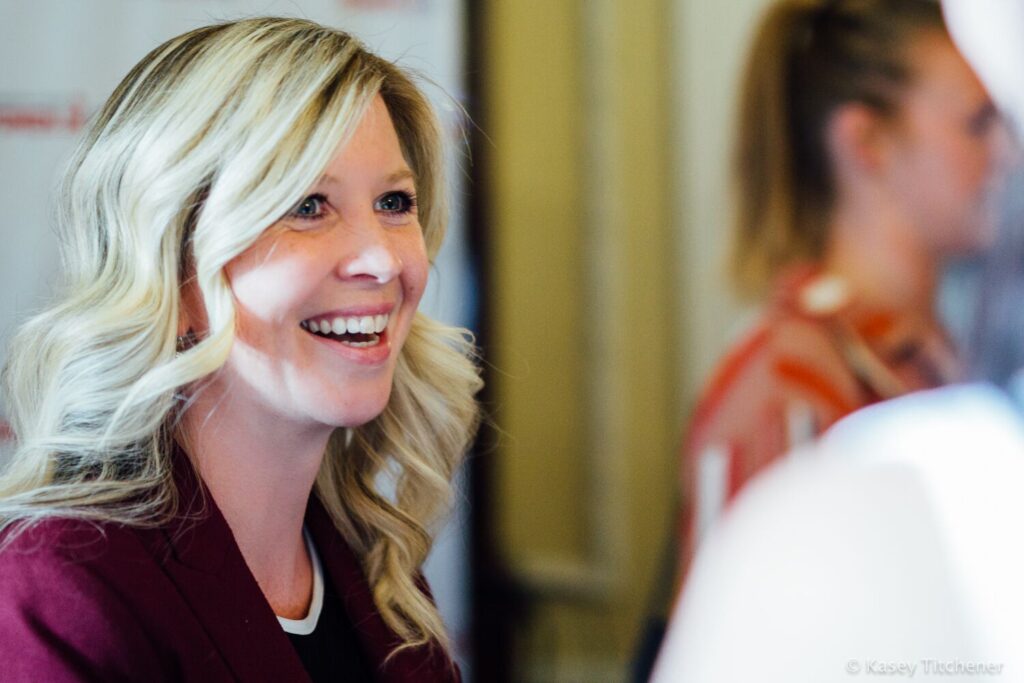
When I first started Women in PR North America, I moved incredibly fast. I was driven, ambitious, and impatient. In that rush, I didn’t invest enough time into building our systems. I travelled constantly across North America, launching chapters, hosting events, flying city to city. Then COVID happened, and everything in-person stopped like it did for many female entrepreneurs.
At first, it felt devastating, but now I see that it was the reset I needed. It forced me to rethink the business model, shift online, and build something more scalable and resilient. Now, we focus on one flagship conference and high-impact digital programs. We serve a broader audience with deeper connections and less burnout.
I see challenges as opportunities to problem-solve. I break them into steps and focus on what’s within my control. If something truly can’t be solved, and I’ve done everything I can, I consciously release it. Earlier in my career, I carried stress everywhere. Now, I reserve my emotional energy for my health, family, and meaningful work. Some challenges require action, and others require acceptance, but I now see that both are forms of strength.
“Sustainable success isn’t built through one grand moment, it’s built through consistent effort over time.”
~ Talia Beckett Davis
I’ve learned that if I don’t structure my days and weeks with balance in mind, work will always expand to fill all available space. I start each day by connecting with my team to understand our priorities and what we’re working toward. That check-in grounds me and helps me focus on what matters, instead of reacting to emails or messages all day. I tackle my biggest and most important project first thing in the morning, when my energy and concentration are at their highest. That one habit alone has dramatically improved my productivity and reduced mental overwhelm.
At a bigger-picture level, I design my life first, then build my work around it. At the beginning of each year, I block off vacations, family time, and the conferences I want to attend. That becomes the foundation of my schedule, and everything else fits around those non-negotiables.
I’m also very selective about networking. I seek out opportunities that feel joyful, inspiring, and aligned with my values, rather than draining or transactional. As an extrovert, being around ambitious, thoughtful women fuels me. Even on days when I feel tired, I often leave events feeling more energized and motivated than when I arrived.
Ultimately, I’ve learned that balance isn’t about equal hours between work and life, it’s about aligned energy. It’s about knowing when to push forward and when to slow down and designing a life where success doesn’t come at the cost of wellbeing.
I’ve experienced many of the quiet, subtle biases that women face in professional environments, the kinds that aren’t always written into policy, but are deeply embedded in culture.
I’ve been mistaken for someone’s wife when joining a business trip or walking into a meeting. I’ve been assumed to be the office assistant or secretary and asked to take notes, organize logistics, or get the coffee, even when I was the one leading the project or sitting in a senior role. These moments might seem small individually, but over time, they add up.
What’s challenging about these experiences is that they subtly reinforce the idea that women belong in supportive roles rather than leadership roles. I think these “hangups” set women up to fail because they normalize the idea that women’s contributions are secondary. That our value lies in being organized, pleasant, or accommodating, rather than strategic, visionary, or authoritative.
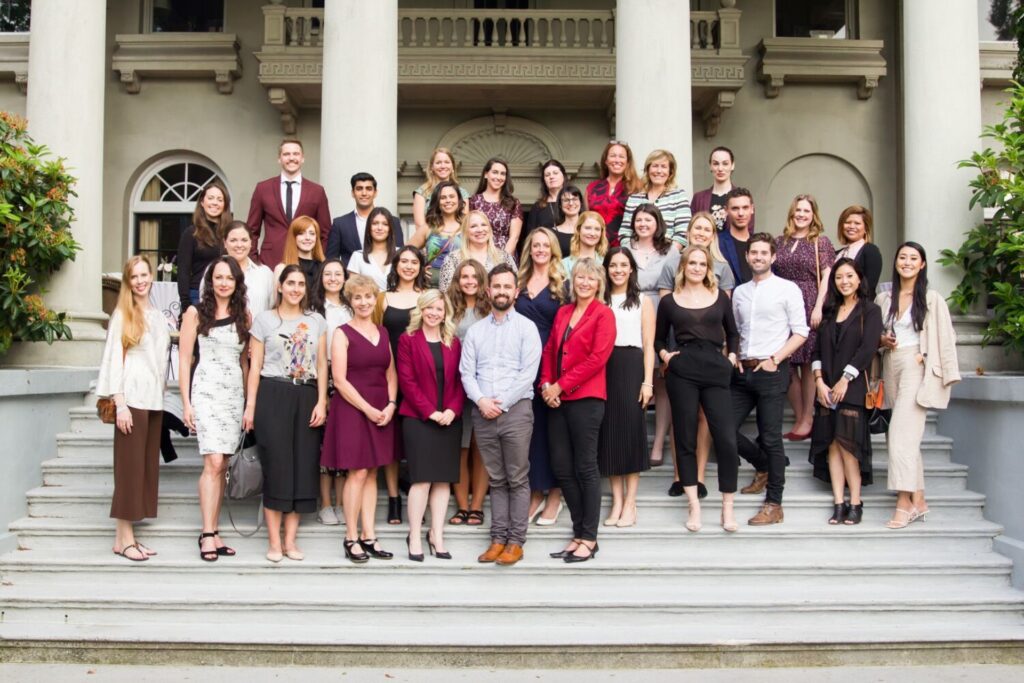
In a field like public relations, where you’re often highly visible and representing other people or organizations, confidence becomes part of your job description. You’re expected to look polished, speak with authority, and always stay informed. If you ever feel unprepared or out of the loop, it can immediately impact how you show up.
On top of that, I’ve spent most of my career working in traditionally male-dominated industries, particularly finance and renewable energy. Walking into boardrooms where you’re one of the only women in the room can absolutely affect your confidence, even when you’re highly competent and experienced. There’s an unspoken pressure to prove yourself more, to speak carefully, and to make sure your contributions are taken seriously.
That said, I feel incredibly fortunate to work with an exceptional team in my current role at RE Royalties. It’s one of the healthiest and most empowering work environments I’ve experienced. The culture genuinely encourages women to lead, speak up, and take up space. Leadership is collaborative, ideas are valued regardless of who brings them forward, and there’s a strong sense of trust and respect across the organization.
Another major factor that has built my confidence is purpose. Knowing that the work I’m doing is making a difference in the world changes how you see yourself and your role. When your work is meaningful, your confidence becomes rooted in contribution, not comparison.
“The right people don’t ask you to shrink your dreams, they help you expand them.”
~ Talia Beckett Davis
It means that two people doing the same job, with the same level of responsibility and impact, should be compensated equally, respected equally, and given the same opportunities to grow.
Through our research at Women in PR North America, it’s clear that the gender pay gap is still very real. Women are often paid less for the same roles and expected to “prove themselves” longer than their male counterparts. What’s even more frustrating is that many women don’t even realize they’re being underpaid until they start comparing notes with others.
Equality also means access. Access to leadership roles, access to decision-making rooms, access to mentorship, and access to visibility. Too often, women are doing the work behind the scenes while men are positioned as the face of success. That imbalance shapes confidence, income, and long-term career trajectories.
Equality is about creating systems where women don’t have to work twice as hard for half the recognition. When women thrive, organizations perform better, cultures become healthier, and communities become more sustainable.
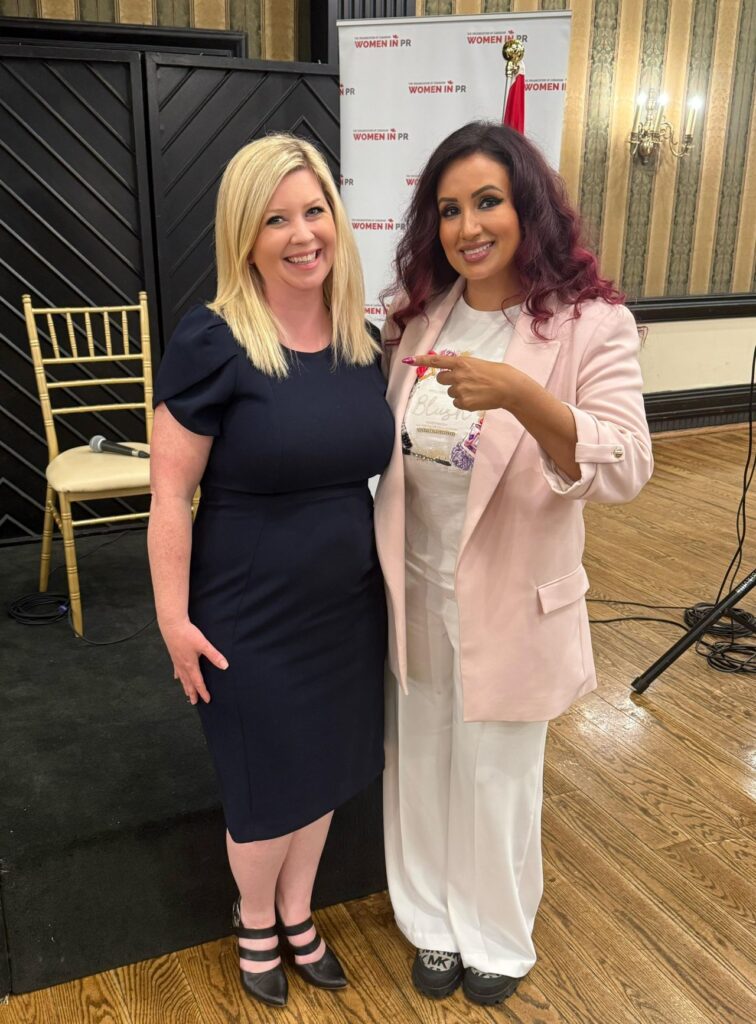
It’s not just about saying the right things, it’s about making everyday decisions that acknowledge women’s realities, responsibilities, and ambitions. As a working mother, one of the simplest, but most powerful forms of allyship I experience is when men ask, “What time works best for you?”
I’ve been in professional environments where meetings were scheduled at 7 or 8 a.m. without any consideration for parents. For me, that’s school drop-off time, a moment I’ll never get back with my young son. When men create flexibility instead of rigid expectations, it signals respect for women’s lives outside of work, not just their output within it.
At work, male allyship also looks like advocating for women when they’re not in the room. Recommending them for opportunities and giving them credit for ideas. At home, when men actively participate in parenting, household decisions, and emotional support, it allows women to show up more fully in their careers without carrying invisible burnout.
I would tell her to trust that she doesn’t need to have everything figured out yet. At 18, I was already obsessed with achievement. I wanted the right internships, the right titles, the right path. I felt like I was in a race against time, even though I had my entire life ahead of me. I was always planning the next step instead of enjoying the one I was standing in.
Looking back, I would tell her to stop rushing into adulthood. Say yes to adventure before responsibility becomes heavier. You don’t need to build your empire before you build your identity. The confidence you build through experience will matter far more than the labels on your resume.
“Women don’t need permission to lead, they need confidence in their right to be seen.”
~ Talia Beckett Davis
Many women want to step into leadership roles, but leadership requires internal confidence before external recognition. That confidence is built through small, consistent wins. Take on opportunities that stretch you just slightly beyond your comfort zone.
I recently learned this lesson in a beautiful way from my son. During his hockey tryouts, he told me, “Mom, I tried my best to stand out.” He listened closely to the coaches, asked questions, dressed professionally, showed enthusiasm, and smiled. He didn’t just participate; he presented himself as someone who belonged there.
It’s not about being the most experienced, it’s about showing up with intention, presence, and belief in your own value. Women don’t need permission to lead, they need confidence in their right to be seen, and that’s powerful.
I truly believe every woman should read my book, Fempreneur. I wrote it as a founder who has lived the realities of building a business, a brand, and a life simultaneously. It’s about identity, visibility, confidence, and creating something meaningful in a world that often tells women to play small. It’s for women who want to be recognized for their work, not just stay behind the scenes.
I also believe women need community-based learning. That’s why I created the Women in PR North America WorkWell Conference, a space where women can learn from each other, not just from “experts.” We focus on health, wealth, and wellbeing in the workplace because success without sustainability isn’t success. Women need spaces where they can talk about money, leadership, burnout, ambition, motherhood, confidence, and growth in the same room with likeminded people. No woman thrives alone, and I believe that the right environment can change your entire trajectory.
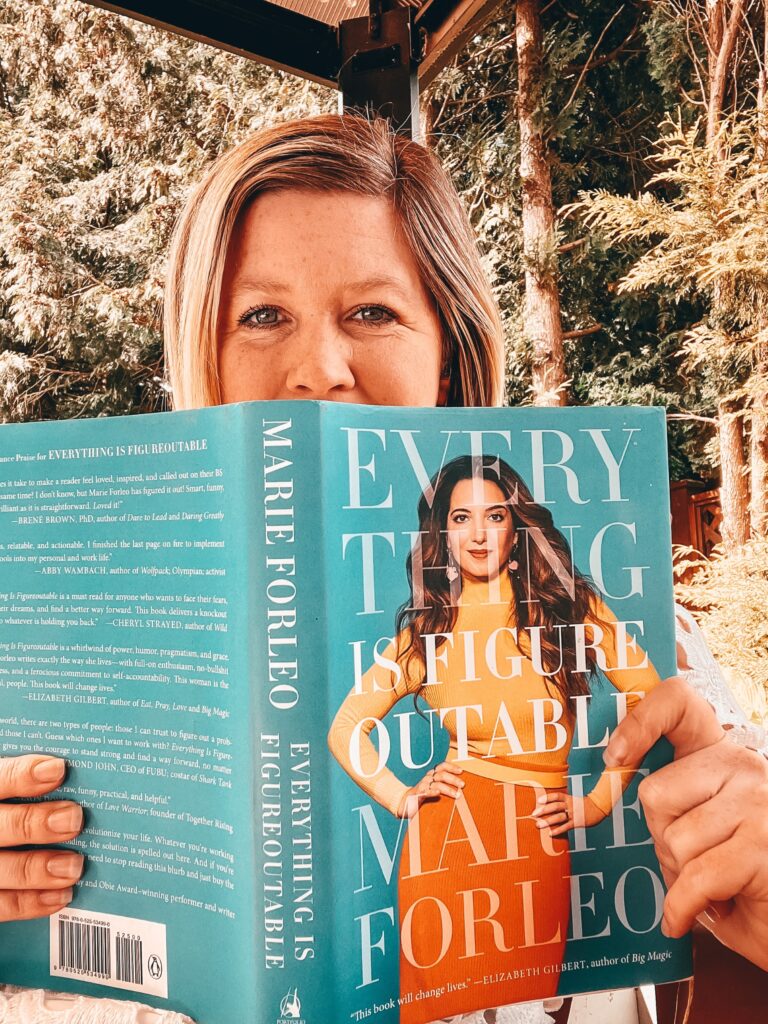

The mantra I live by is from Marie Forleo: “Create a business and life you love.”
I’ve been following her journey for years and that sentence shapes almost every decision I make. It reminds me that success isn’t just about revenue, followers, or milestones, it’s about how I feel in my day-to-day life. Do I enjoy my work? Do I feel aligned with my values? Do I have time for my family, my health, and my creativity?
There are always challenges and seasons of hard work. When I connect those challenges to a life I genuinely want to live, they feel purposeful instead of draining. This mantra also keeps me from building success that looks good on the outside but feels empty on the inside. I don’t want a business that costs me my peace. I want one that supports my wellbeing, my relationships, and my sense of meaning.
Visualization and journaling have been incredibly powerful tools in my life, both personally and professionally. Before any major project, launch, event, or life decision, I take time to visualize the outcome. I imagine how it feels once it’s already happening. Athletes do this before competitions. High performers do it before big moments, and I’ve found it works just as powerfully in business and life.
Journaling complements that process. Writing forces clarity. It helps you move vague desires into concrete intentions. When you write down what you want, how you want to feel, and who you want to become, you start making subconscious decisions that align with that future self.
I truly believe that the clearer you are about the life you want, the more likely you are to create it. Visualization isn’t wishful thinking; it’s strategic self-programming. For women especially, who are often conditioned to doubt themselves, these practices help rebuild internal trust. They remind you that you are allowed to want more, and you’re capable of creating it.
“When you stop treating work like something you must survive and start treating it like something you get to shape, everything changes.”
~ Talia Beckett Davis
WOMEN IN PR CONFERENCE 2026:
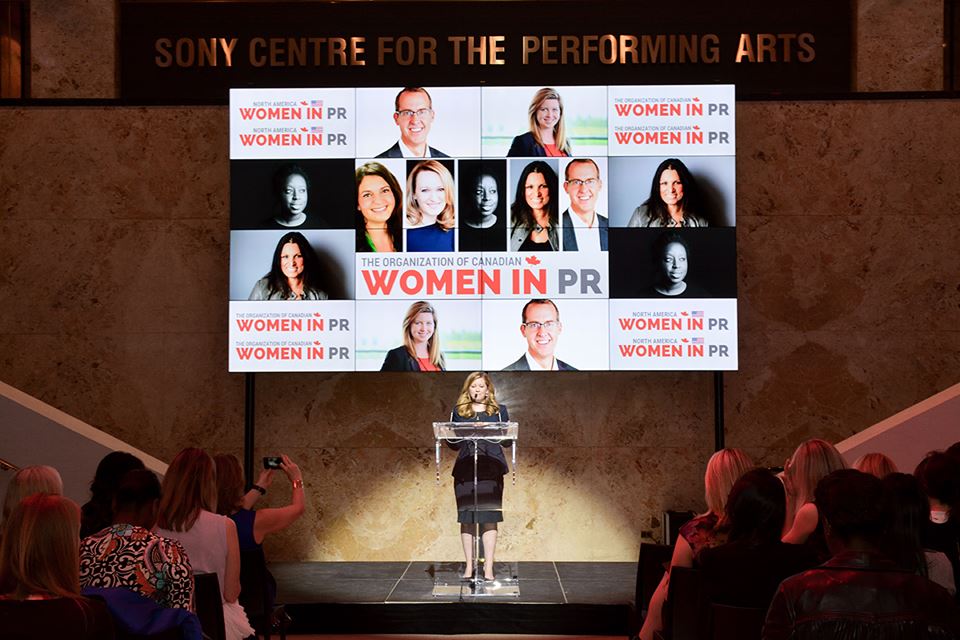
At its core, WorkWell is built around the belief that sustainable success sits at the intersection of health, wealth, and impact. This is not about hustle for hustle’s sake. It’s about learning what truly works, sharing lived experience, and gaining practical insight that supports both professional excellence and personal longevity. The environment is thoughtful, inclusive, and grounded in real connection, not performance.
More than a conference, WorkWell is a reset. A moment to step out of the noise, reconnect with your purpose, and be reminded that you don’t have to figure it all out alone. You’ll leave feeling supported, energised, and inspired by what’s possible when women come together with intention.
To learn more about the Women in PR North America WorkWell Conference 2026 and to secure your place, visit the conference page and join a community that’s redefining what success can look like—together.
To contact or learn more about Talia Beckett Davis or Women In PR North America: Web, Instagram, LinkedIn,WorkWell Checklist, Publicity Calendar