
The body whispers before it screams. The question is whether we’re listening.
~ Cindy Hyde, Founder, Soul State Wellness Inc.
For years, organizations have invested in wellness initiatives, employee assistance programs, and mental health resources. Yet burnout continues to rise. We often talk about resilience, self-care, and work-life balance, but there is a larger question we are failing to ask: Are we paying attention to fatigue as a business risk?
In my own experience, burnout did not arrive all at once. It arrived as fatigue, loss of vision, loss of voice, chronic stress, and a growing disconnect from myself. Looking back, I now understand that my body was communicating long before it forced me to stop. What I have come to believe is that burnout prevention requires two things: organizations must better understand fatigue risk, and individuals must develop nervous system literacy.

Fatigue Is A Business Risk Hiding In Plain Sight
For years we have treated burnout as an individual problem. Take a vacation. Practice self-care. Set better boundaries. Take a course on resilience. Make sure you get rest. Manage your calendar better.
While those strategies matter, they overlook a larger issue. Many organizations have no formal fatigue risk management strategy at all. Throughout my corporate career, we measured absenteeism. We tracked productivity. We monitored performance metrics. We set goals and targets. What we didn’t measure nearly as well was the cost of the people who were still showing up.
The high performers. The caregivers. The leaders. The people who continued delivering results while carrying chronic stress, emotional exhaustion, and growing disconnection from themselves.
When concerns about workload, pressure, or burnout surfaced, the responsibility often fell back on the individual to find a solution. But what if we are asking people to solve a system-level problem on their own?
What if burnout is not simply a personal issue but a signal that something deeper requires our attention?
Because fatigue doesn’t just impact productivity. It impacts decision-making. It impacts relationships. It impacts families. It impacts communities. It impacts creativity, innovation, and our ability to think clearly.
It changes how we lead. It changes how we show up for the people we love. And over time, it can disconnect us from ourselves entirely.

The Missing Half Of The Equation
While organizations need to examine systems, structures, policies, workloads, and measurements, employees also need a new skill: nervous system literacy.
Most people can tell you what is on their calendar. Few can tell you what state their nervous system is in.
Can they recognize when they are operating from chronic activation? Can they identify the early signs of depletion? Can they distinguish between healthy effort and survival-based over-functioning?
In my own experience, I continued performing long after my body had begun sounding the alarm. The fatigue came first. Then my voice. Then my vision.
What I understand now is that burnout is rarely a surprise to the body. It is often the result of ignored signals accumulated over time. My signals were like a fire truck going off and each time I recall thinking this is what working parents experience. I wish I knew then what I know now. Nervous system literacy teaches people how to recognize those signals before they become symptoms.

Two Things Can Be True
Organizations need to take a more serious look at fatigue risk management. That means examining workload expectations, recovery opportunities, meeting culture, psychological safety, performance metrics, staffing models, leadership behaviours, and early warning indicators.
At the same time, individuals need tools to recognize what is happening inside their own system and the sensations is sending. The body alerts us when things are going beyond our human capacity.
Neither approach is sufficient on its own. A healthy organization cannot completely protect someone who is disconnected from their own needs. And an individual cannot self-regulate their way out of an unhealthy system. Both matter.
The future of burnout prevention lies at the intersection of organizational responsibility and personal awareness. And after experiencing deep burnout myself I am dedicating my life purpose to spreading awareness on this.

Your Takeaway
This week, pause three times each day and ask yourself: What is my body telling me right now?
Not what your calendar is telling you. Not what your inbox is telling you. Not what others need from you. Notice your energy. Notice your breathing. Notice your muscle tension. Notice your desire to connect, withdraw, push harder, or rest. Awareness is often the first step toward change.
For too long we have treated burnout as either an organizational issue or an individual issue. The truth is more nuanced. Organizations need better systems for identifying and managing fatigue risk. Individuals need nervous system literacy to recognize the signals their body is sending every day. One addresses the environment. One addresses the human experience within it. Together, they create the conditions for healthier people, healthier leaders, healthier families, and healthier communities.
Burnout doesn’t stop at the workplace door. The effects follow us home. They influence our relationships, our presence, our creativity, and our capacity to engage in life.
Your biggest risk may not be technology. It may not be the market. It may not be your competition.
Your biggest risk has a heartbeat. And it is time we started paying attention.
About The Author:
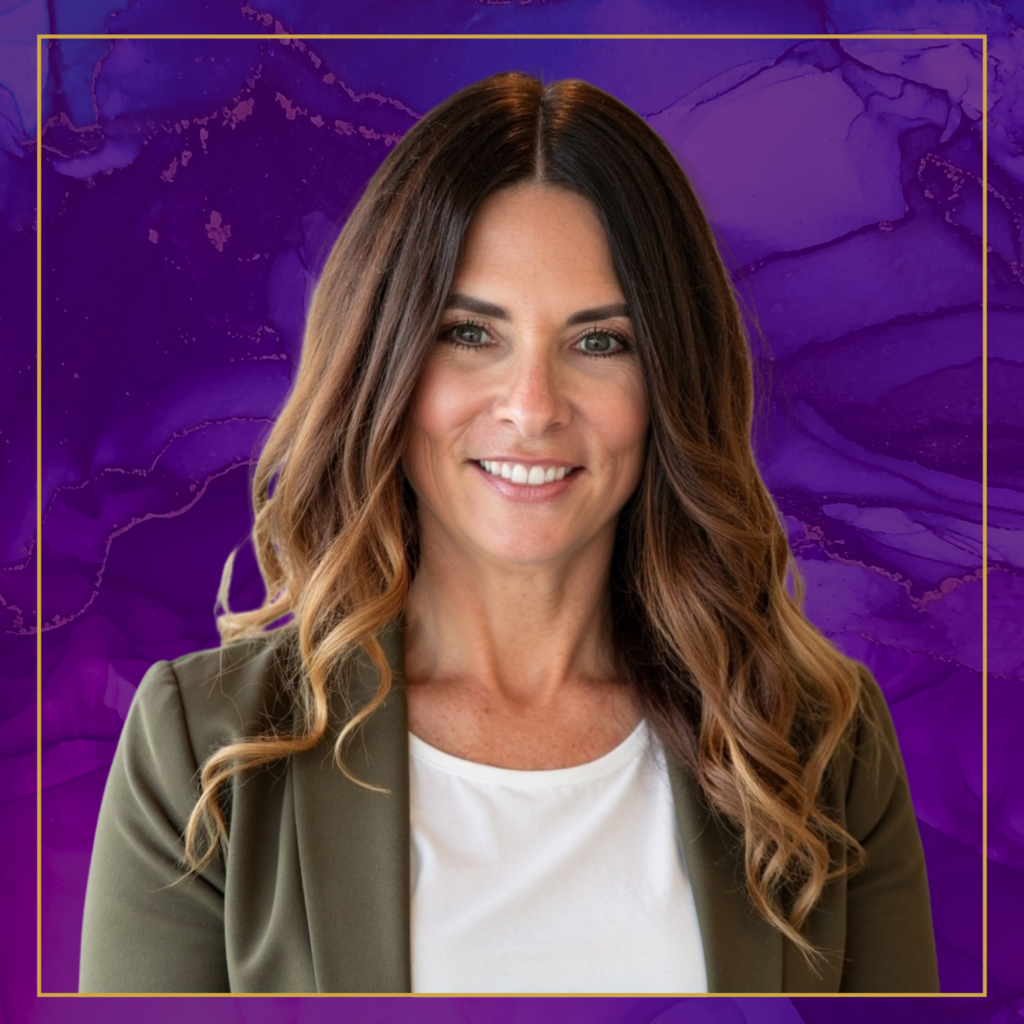
CINDY HYDE
Founder, Soul State Wellness Inc., & Creator, The Human Dashboard
Disclaimer: The views, thoughts, and opinions expressed in this article are solely those of the author and do not necessarily reflect, whether in whole or in part, the views of The Open Chest Confidence Academy, its owners, directors, management, employees, subcontractors, partners, affiliates, clients, or members.